
WILDLIFE IN
TRADE
Protecting wildlife by addressing wildlife crime and trafficking, and
advancing sustainable trade that benefits species and people
We address wildlife crime holistically, combining research, education, science, technology, environmental justice, policy, and community partnerships to protect Africa’s wildlife while supporting people and sustainable livelihoods.
WILDLIFE IN TRADE
WHY WILDLIFE
TRADE MATTERS
Illegal and unsustainable wildlife
trade is one of the greatest threats
to Africa’s biodiversity
Every year, wild animals and plants are removed from their natural habitats to supply local and international markets, placing immense pressure on species, including rhinos, pangolins, vultures, carnivores, reptiles, cycads, succulents and medicinal plants, among others. Organised criminal networks often profit from this trade while undermining the rule of law, fuelling corruption, and weakening environmental governance.
The consequences extend far beyond the species being targeted. Wildlife trade disrupts ecosystems, weakens nature’s ability to provide essential services, erodes cultural heritage, threatens sustainable livelihoods, and reduces the long-term economic benefits that healthy ecosystems provide through tourism, agriculture, and natural resources. Even legal wildlife trade can place species at risk if it is poorly regulated or unsustainably managed.
The illegal trade in wildlife affects both animals and plants. Africa’s iconic mammals and reptiles are trafficked for meat, skins, scales, bones, horns, and the pet trade, while many plant species are harvested for horticulture and traditional medicine. In South Africa alone, approximately 2,062 indigenous plant species are used in traditional medicine. Of these, 82 species are at risk of extinction at a national level and an additional 100 species require conservation attention. Their loss would affect biodiversity, cultural traditions, and the wellbeing of millions of people who rely on traditional medicine as their primary healthcare.
Addressing wildlife trade therefore requires more than preventing illegal harvesting. It means tackling wildlife crime across the entire trade chain, disrupting criminal networks, strengthening environmental governance, supporting sustainable wildlife use, and ensuring that Indigenous Peoples and Local Communities are part of the solution.
WILDLIFE IN TRADE
THE THREATS WE
ADDRESS
We work across the wildlife trade
chain to address some of the
greatest threats facing wildlife and
people, including:
Illegal harvesting
and trafficking of wild animals and plants.
Unsustainable
or poorly regulated legal wildlife trade.
Wildlife persecution
including poisoning and snaring.
Exclusion
of Indigenous Peoples and local communities from wildlife management decisions.
Environmental
legislation
that is difficult to access, interpret, or implement.
Sustainable
utilisation
Where possible, we support communities and other stakeholders to grow medicinal plants and reduce harvesting impacts on wild populations.
WILDLIFE IN TRADE
HOW WE CREATE
CHANGE
Wildlife crime is complex, and no single intervention can solve it. We work across the entire wildlife trade chain, combining research, education, science, technology, environmental justice, policy, and community partnerships to tackle the drivers of wildlife crime while supporting sustainable, long-term conservation solutions.
Giving wildlife a voice in court
When people are victims of crime, they can explain how that crime has affected them. Wildlife cannot.
To address this gap, we coordinated more than 100 experts from South Africa, Botswana, Namibia, and Mozambique to develop Wildlife Crime Victim Impact Statements for 25 widely trafficked species, including pangolins, rhinos, vultures, and cycads. These statements explain how wildlife crime affects individual animals and plants, their populations, ecosystems, and the people who depend on them.
Today, 116 prosecutors across southern Africa have been trained to use these statements, helping courts better understand the true ecological, social, and economic consequences of wildlife crime and strengthening environmental justice across the region.

Protecting wildlife on the frontline
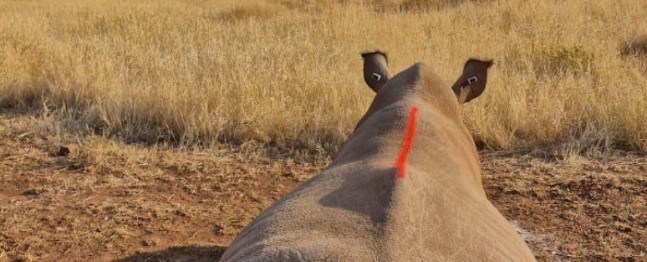
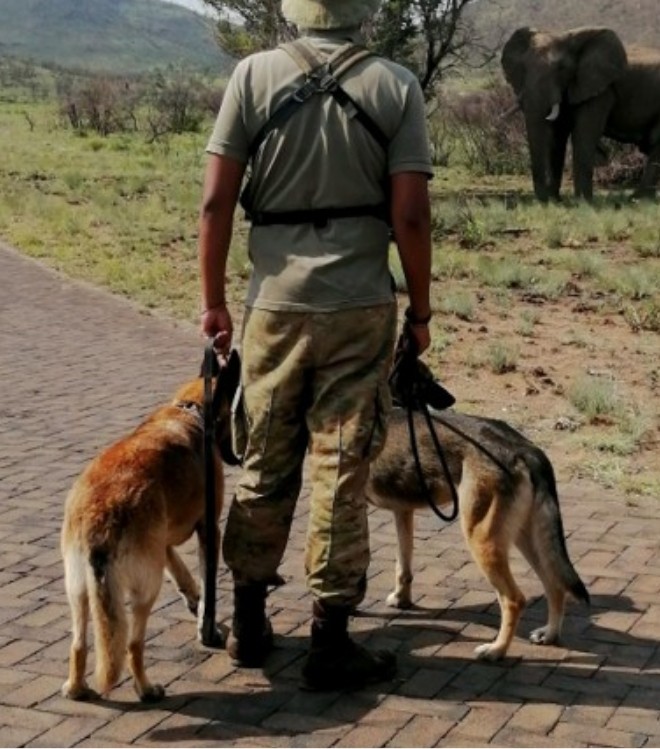
Our support to Pilanesberg National Park and Madikwe Nature Reserve has strengthened rhino protection through real-time monitoring technology, conservation canine teams, upgraded communications infrastructure, night-vision equipment, and licence plate recognition systems. Together, these interventions have contributed to a reduction in reported illegal harvesting incidents.

Making environmental law
accessible
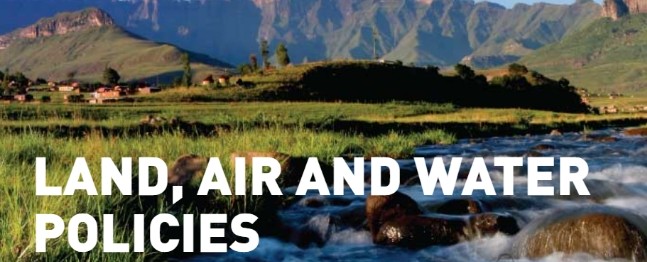
We developed the Land, Air, Water and Species (LAWS) platform, providing free public access to South Africa’s environmental legislation, policies, and key court judgements. We also created South Africa’s first online permitting training course for provincial conservation officials, strengthening environmental governance and improving regulatory decision-making.

Supporting sustainable wildlife use
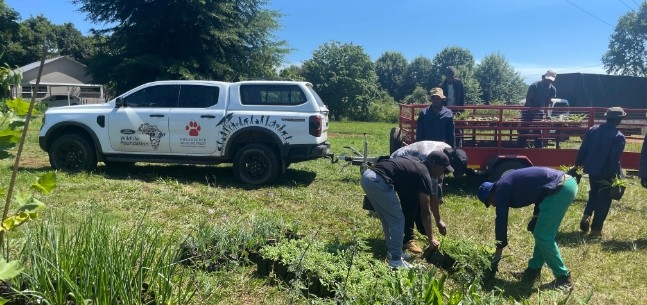
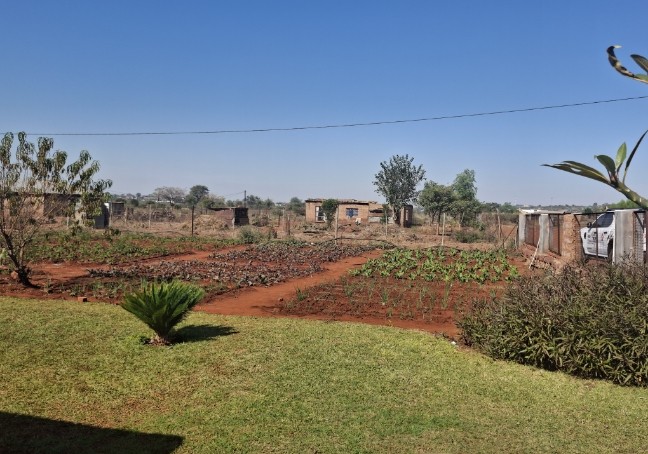
Since 2019, we have distributed nearly 6,000 medicinal plant seedlings to Traditional Health Practitioners and other key stakeholders. We have also conducted numerous cultivation training workshops in partnership with the South African Biodiversity Institute (SANBI), reaching over 650 Traditional Health Practitioners, traders, and harvesters. We also support community leaders and other stakeholders to strengthen governance and reduce the impact of unsustainable harvesting on their land.

Protecting threatened plants
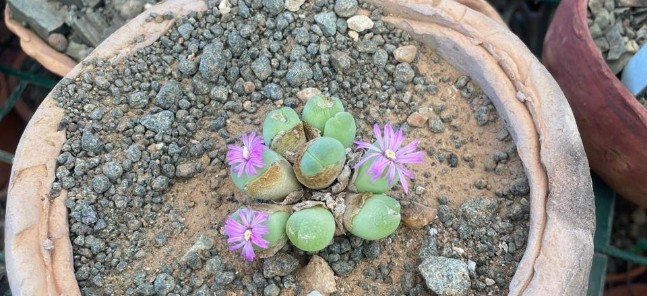
Through the Succulent Safe Spaces project, we are protecting 40,000 hectares of habitat across South Africa’s West Coast and Anysberg regions. By combining community stewardship, surveillance technology, habitat protection, and environmental restorative justice, we are helping safeguard some of South Africa’s most heavily trafficked succulent species.

Influencing conservation policy
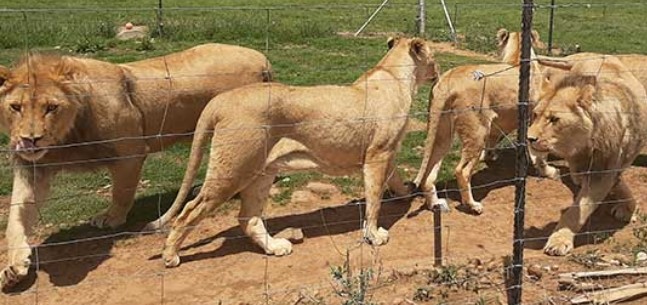
Our research informs conservation policy and wildlife governance across southern Africa. We have investigated complex wildlife trade issues, including South Africa’s captive lion sector, and continue to provide evidence-based inputs into wildlife markets, environmental law reform, CITES processes, and captive wildlife wellbeing standards, helping shape stronger conservation policy and better conservation outcomes.

Putting indigenous voices at the
centre of conservation
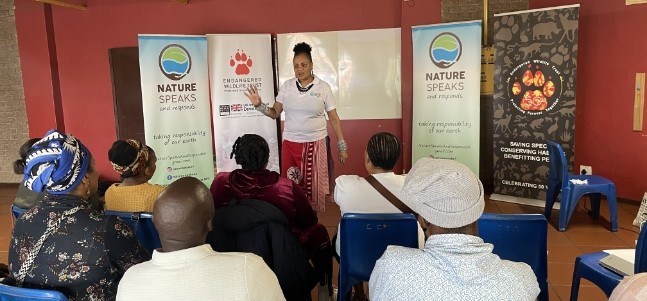
Through the VOICES of Indigenous Communities project, we are helping ensure that Indigenous Peoples and Traditional Health Practitioners have a stronger voice in conservation decision-making. By creating platforms for dialogue, knowledge sharing, and collaboration, the project is strengthening the role of Indigenous knowledge in wildlife governance and supporting more inclusive and equitable conservation across Africa.

WILDLIFE IN TRADE
SPECIES WE PROTECT
Our Wildlife in Trade work supports the conservation of a wide range of species affected by illegal harvesting, trade and persecution, including, among others:
Rhinos
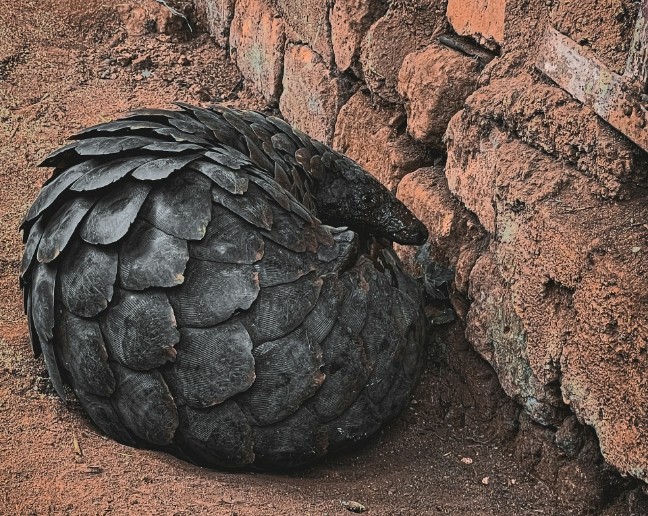
Pangolins
Lions
Vultures
Sungazer Lizards
Armadillo Girdled Lizards
Cycads
Succulent Plants
Cranes
InvertebratesWe also collaborate with Traditional Health Practitioners, communities, and other key stakeholders to address threats to medicinal plants while also ensuring that those who are most dependent on them are still able to access them. Our approaches include cultivation, raising awareness of legislation, monitoring medicinal plant populations (often alongside local harvesters), and working with landowners to secure and improve the management of habitats.
We work with diverse medicinal plant species, focusing on the following six:
Pepper-Bark Tree(Warburgia salutaris)Endangered globally
Wild Ginger(Siphonochilus aethiopicus)Critically Endangered
File-Leaf Haworthiopsis(Haworthiopsis limifolia)Vulnerable
Climbing Onion(Bowiea volubilis)VulnerableWILDLIFE IN TRADE
OUR IMPACT
Our work is creating measurable
conservation outcomes across
southern Africa
By combining research, education, science, technology, environmental justice, policy, and community partnerships to tackle wildlife crime holistically.
Giving wildlife a voice in court
When people are victims of crime, they can explain how that crime has affected them. Wildlife cannot.
To address this gap, we coordinated more than 100 experts from South Africa, Botswana, Namibia, and Mozambique to develop Wildlife Crime Victim Impact Statements for 25 widely trafficked species, including pangolins, rhinos, vultures, and cycads. These statements explain how wildlife crime affects individual animals and plants, their populations, ecosystems, and the people who depend on them.
Today, 116 prosecutors across southern Africa have been trained to use these statements, helping courts better understand the true ecological, social, and economic consequences of wildlife crime and strengthening environmental justice across the region.
Protecting wildlife on the frontline
Our support to Pilanesberg National Park and Madikwe Nature Reserve has strengthened rhino protection through real-time monitoring technology, conservation canine teams, upgraded communications infrastructure, night-vision equipment, and licence plate recognition systems. Together, these interventions have contributed to a reduction in reported illegal harvesting incidents.
Making environmental law accessible
We developed the Land, Air, Water and Species (LAWS) platform, providing free public access to South Africa’s environmental legislation, policies, and key court judgements. We also created South Africa’s first online permitting training course for provincial conservation officials, strengthening environmental governance and improving regulatory decision-making.
Supporting sustainable wildlife use
Since 2019, we have distributed nearly 6,000 medicinal plant seedlings to Traditional Health Practitioners and other key stakeholders. We have also conducted numerous cultivation training workshops in partnership with the South African Biodiversity Institute (SANBI), reaching over 650 Traditional Health Practitioners, traders, and harvesters. We also support community leaders and other stakeholders to strengthen governance and reduce the impact of unsustainable harvesting on their land.
Protecting threatened plants
Through the Medicinal and Succulent Safe Spaces projects, we are protecting diverse species and habitats. For example, though the Succulent Safe spaces, we are protecting 40,000 ha across South Africa’s West Coast and Anysberg regions and in Limpopo we are working with communities to improve the management of wild medicinal plant populations. By combining community stewardship, surveillance technology, habitat protection, and environmental restorative justice, we are helping safeguard some of South Africa’s most heavily trafficked succulent species.
Influencing conservation policy
Our research informs conservation policy and wildlife governance across southern Africa. We have investigated complex wildlife trade issues, including South Africa’s captive lion sector, and continue to provide evidence-based inputs into wildlife markets, environmental law reform, CITES processes, and captive wildlife wellbeing standards, helping shape stronger conservation policy and better conservation outcomes.
Putting indigenous voices at the
centre of conservation
Through the VOICES of Indigenous Communities project, we are helping ensure that Indigenous Peoples and Traditional Health Practitioners have a stronger voice in conservation decision-making. By creating platforms for dialogue, knowledge sharing, and collaboration, the project is strengthening the role of Indigenous knowledge in wildlife governance and supporting more inclusive and equitable conservation across Africa.
WILDLIFE IN TRADE
WHERE WE WORK
We work across the EWT’s priority
landscapes in Africa, tackling wildlife
crime, supporting sustainable
wildlife use, and strengthening
environmental governance wherever
these issues threaten biodiversity
Because wildlife trade and wildlife crime cross borders, our work also extends beyond individual landscapes to trade routes, markets, ports of exit and entry, and the policy and legal systems that shape wildlife use across the continent.
WILDLIFE IN TRADE
GET INVOLVED
Wildlife crime cannot be solved by
conservation organisations alone
Whether you choose to donate, partner with us, make informed purchasing decisions, report suspected wildlife crime, or explore our LAWS platform, you can help protect wildlife, strengthen environmental justice, support sustainable wildlife use, and safeguard Africa’s natural heritage for future generations.