SUSTAINABLE
FINANCE

Unlocking investment that powers conservation

Conservation cannot succeed without long-term investment. We develop innovative finance solutions that unlock sustainable funding for wildlife, ecosystems, and communities, helping scale conservation across Africa and create lasting benefits for both people and nature.

SUSTAINABLE FINANCE

WHY SUSTAINABLE
FINANCE MATTERS

Across Africa, the biodiversity
finance gap continues to grow

More than US$130 billion is needed every year to protect and restore resilient landscapes, healthy ecosystems, and the wildlife they support. Public funding and philanthropy remain essential, but they cannot meet this challenge alone. Achieving global biodiversity targets, including protecting and restoring 30% of land and sea by 2030, requires reliable, long-term investment that can deliver conservation at landscape scale.

Healthy ecosystems underpin economic stability, food security, water security, and climate resilience. When nature declines, so too do the benefits that people, businesses, and economies depend on. Lasting conservation therefore depends not only on effective conservation action, but also on the financial systems that sustain it.

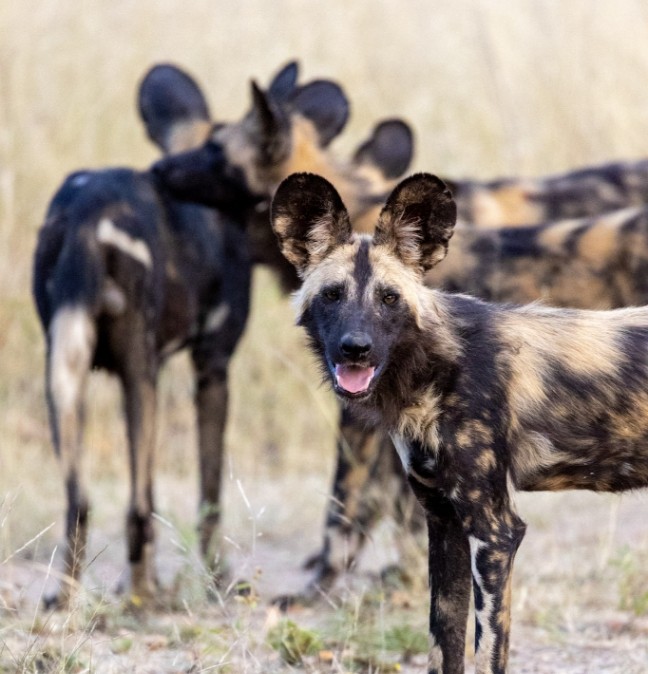
African wild dogs looking towards the camera

SUSTAINABLE FINANCE

THE CHALLENGES
WE ADDRESS

Conservation faces significant
financial challenges that limit its
ability to deliver lasting impact,
Including:

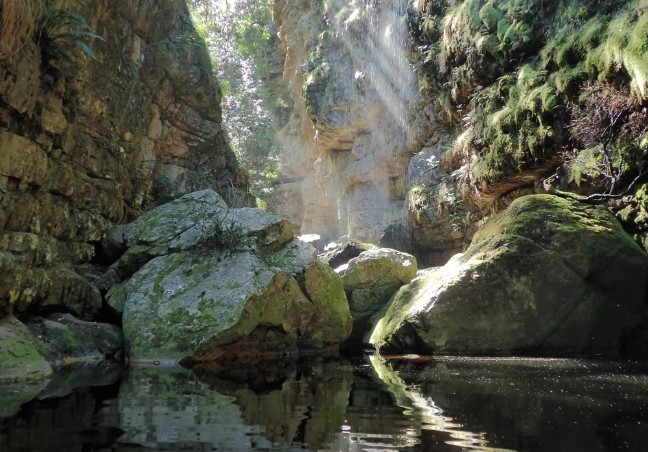
Waterfall flowing down a rocky cliff

The growing finance
gap

for biodiversity conservation.

Short-term funding

that cannot sustain long-term conservation outcomes.

Limited investment

from the private sector in biodiversity.

Undervaluing nature

in development and economic decision-making.

Financial systems

that do not reward ecosystem protection and restoration.

Limited capacity

to design and implement innovative conservation finance and green economy solutions.

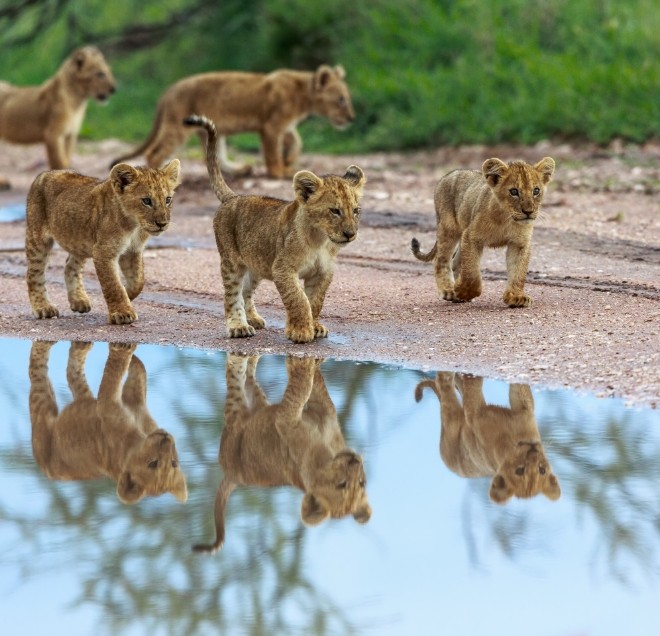
Lion cubs drinking at a waterhole

SUSTAINABLE FINANCE

HOW WE CREATE
CHANGE

Our Sustainable Finance Unit bridges the gap between conservation and investment, creating finance solutions that generate measurable outcomes for wildlife, ecosystems, and communities across Africa.

Creating innovative finance solutions

We design and test finance models that generate long-term investment for biodiversity conservation. These include biodiversity offsets, biodiversity credits, carbon credits, habitat banking, biomass beneficiation and other innovative funding approaches. Successful models are designed to attract long-term investment and deliver measurable conservation outcomes.

Creating innovative finance solutions

Building capacity and influencing policy

We work with governments, financial institutions, conservation authorities, project developers, and environmental assessment practitioners to strengthen biodiversity finance policy and embed the mitigation hierarchy - Avoid, Minimise, Restore, and Offset - into development planning and investment decisions. We also build the capacity needed to implement these approaches effectively.

Building capacity and influencing policy

Mobilising private sector investment

Working alongside our Biodiversity and Business colleagues, we demonstrate the business value of investing in nature and the financial risks of ecosystem degradation. Our goal is to move private sector investment beyond compliance and towards long-term, strategic investment in natural capital that benefits businesses, communities, and biodiversity.

Mobilising private sector investment

SUSTAINABLE FINANCE

OUR FINANCE
SOLUTIONS

We develop finance solutions that combine measurable conservation outcomes with long-term economic value.

Biodiversity offsets and habitat banking

Where development affects important biodiversity, we help design biodiversity offsets that compensate for unavoidable impacts by protecting or restoring equivalent habitat elsewhere. We are also pioneering habitat banking in Africa, creating biodiversity credits in advance through habitat protection and restoration, allowing developers to invest in conservation while working towards no net loss, and where possible, a net gain, for biodiversity.

Biodiversity offsets and habitat banking

Carbon finance

We lead the implementation of nature-based carbon projects, drawing on our expertise in biodiversity monitoring, strong landowner engagement, and extensive experience in ecosystem rehabilitation and management. We work with carbon project developers, landowners and restoration teams to develop restoration management plans and guide their delivery on the ground, from improved rangeland management to river catchment restoration. We measure biodiversity improvements and support developers in monitoring, reporting and verification responsibilities, helping carbon finance deliver lasting benefits for nature and the climate.

Carbon finance

Green economy initiatives

We design and support projects that convert invasive alien plants into biochar and wood vinegar, transforming ecological restoration into economic opportunity. Clearing invasive species improves water security and biodiversity, while the production of biochar and wood vinegar creates green jobs, supports local enterprises, and supplies high-value inputs for regenerative agriculture that improve soil health, enhance carbon sequestration, reduce reliance on synthetic inputs, and strengthen the long-term resilience and productivity of farming systems.

Green economy initiatives

Payments for ecosystem services

We explore financing models that reward landowners and communities for protecting the ecosystems that provide essential services such as clean water, flood regulation, and healthy catchments, creating long-term incentives for conservation.

Payments for ecosystem services

Outcomes-based finance

We help structure conservation trust funds, wildlife bonds, and other innovative funding models that link investment directly to measurable conservation outcomes, attracting private and institutional capital into biodiversity conservation.

Outcomes-based finance

SUSTAINABLE FINANCE

OUR IMPACT

93,000 ha of Drakensberg
grasslands and wetlands protected
through carbon offset agreements,
with a further 100,000 ha in
development

In the Drakensberg, we are pioneering one of Africa’s most innovative conservation finance initiatives through a carbon offset project that rewards landowners for protecting one of South Africa’s most important mountain landscapes. Together with the International Crane Foundation, we currently manage 93,000 ha of grasslands and wetlands under carbon offset agreements, with a further 100,000 ha in development.

Verified through VERRA’s Voluntary Carbon Standard, the project is one of only six registered carbon offset projects globally using this methodology and has the largest geographical footprint of any carbon offset project in South Africa. As the Carbon Management Entity, we manage 93,000 ha in partnership with the International Crane Foundation and Australian developer WeAct.

By working with landowners, we support sustainable land management practices that increase soil carbon, restore ecosystem health, and protect critical habitat for Blue, Grey Crowned, and Wattled Cranes. The verified carbon credits generated by the project are sold to investors and companies seeking to offset their emissions, with revenue flowing directly back to participating landowners. This creates a long-term financial incentive for conservation while supporting a 30-year commitment to protecting these important grassland and wetland ecosystems.

Drakensberg grasslands under a cloudy sky
Rolling green Drakensberg grasslands
People hiking on a mountain ridge

Expanding South Africa’s protected
areas through offsets and habitat
banking

Biodiversity offsets and habitat banking are among the most direct routes to growing South Africa’s protected area estate. Where development impacts on biodiversity cannot be avoided, we design offsets that secure and formally protect equivalent habitat elsewhere, building on the EWT’s biodiversity stewardship track record of securing more than 200,000ha of formally protected areas in South Africa. This turns unavoidable impacts into permanent conservation gains, and channels developer investment directly into land protection.

Through our “Nature-Positive Power” initiative, we are pioneering private habitat banking in South Africa, linking the country’s renewable energy transition to biodiversity recovery at landscape scale. The mechanism won a place in the Conservation Finance Alliance’s 2026 Global Incubator, giving international recognition of its potential to expand protected areas whilst supporting a just energy transition. Working with landowners, developers, and conservation authorities, our aim is to shift protected area expansion from a public funding burden to an investable outcome, contributing to South Africa’s commitment to protect 30% of land by 2030.

SUSTAINABLE FINANCE

WHERE WE WORK

We develop sustainable finance
solutions across the EWT’s priority
landscapes, directing long-term
investment to where it can deliver
the greatest impact for wildlife,
ecosystems, and people

We also work with governments, businesses, financial institutions, investors, and landowners across Africa to create funding models that support conservation at landscape scale

SUSTAINABLE FINANCE

GET INVOLVED

Conservation needs investment
as much as it needs science

Whether you are an investor, business, policymaker, landowner, donor, or conservation partner, you can help unlock the long-term finance needed to protect Africa’s wildlife, restore ecosystems, and secure lasting conservation outcomes.