DRAKENSBERG
STRATEGIC CONSERVATION
LANDSCAPE
Protecting one of Africa’s most important mountain landscapes
We protect the Drakensberg’s cranes, birds of prey, and other unique grassland species while restoring the wetlands, rivers, and grasslands that sustain wildlife, water, and people across Africa.
Protecting water
and wildlife
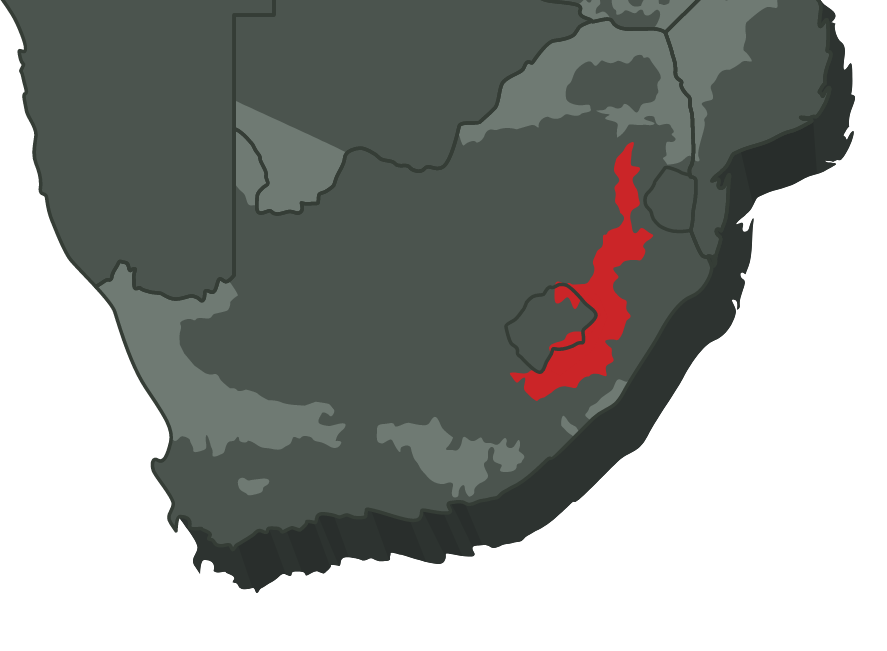
From sweeping mountain grasslands to high-altitude wetlands, the Drakensberg stretches along the eastern escarpment of South Africa and into neighbouring Lesotho
DRAKENSBERG
A CRANE BACK
FROM THE BRINK
Thirty years ago, South Africa’s Wattled Crane was in serious decline. Habitat loss, disturbance at breeding sites, and other growing threats had pushed Africa’s rarest crane to the brink.
Over the decades that followed, our partnership with the International Crane Foundation, supported by landowners, communities, conservation partners, and government, helped protect breeding habitat, restore wetlands, reduce threats, and build one of South Africa’s longest-running crane conservation programmes.
In 2025, those efforts reached an important milestone when the Wattled Crane was downlisted in South Africa from Critically Endangered to Endangered. With only around 300 birds remaining in South Africa, the species is still one of Africa’s rarest cranes. But its recovery demonstrates what long-term, science-led conservation and strong partnerships can achieve.
DRAKENSBERG
WHY THE
DRAKENSBERG MATTERS
Where mountains, grasslands, wetlands, wildlife, and people are all connected
The Drakensberg is one of southern Africa’s most important mountain landscapes. Stretching across four provinces and into Lesotho, its grasslands, wetlands, rivers, forests, and cliffs provide water for millions of people, store carbon, support threatened wildlife, and sustain farming communities and local livelihoods.
Everything here is connected. Healthy wetlands and intact grasslands regulate water, reduce erosion, and provide habitat for some of southern Africa’s most threatened wildlife. The region supports important populations of Wattled, Grey Crowned, and Blue Cranes, provides critical habitat for the Bearded Vulture and Cape Vulture, and is home to endemic species such as the Sungazer Lizard.
The Drakensberg is also a working landscape. Farming, grazing, tourism, and cultural heritage all depend on healthy ecosystems. Protecting its grasslands, wetlands, and rivers helps sustain the environmental, social, and economic value that make this landscape so important.

Species we protect
Birds of
Prey
Cranes
Reptiles
Endemic
Birds
Amphibians
DRAKENSBERG
CONSERVATION
IN ACTION
Protecting a landscape as complex as the Drakensberg requires more than protecting individual species or habitats. We combine science, restoration, stewardship, and long-term partnerships to strengthen the natural systems that sustain wildlife, water, and people.
Restoring the landscape
Healthy grasslands and wetlands are the foundation of the Drakensberg. We restore degraded ecosystems by removing invasive alien plants, rehabilitating streams, stabilising erosion gullies, and improving wetland function. Working with landowners, communities, and conservation authorities, we also secure important habitats through Biodiversity Stewardship and other conservation agreements. Together, these efforts improve water quality, strengthen climate resilience, and restore the ecological processes that keep this landscape healthy and productive.
Supporting sustainable farming and stewardship
The Drakensberg is a working landscape where conservation and agriculture must succeed together. We work with commercial and communal farmers to improve grazing management, protect wetlands, reduce erosion, and support farming practices that keep grasslands healthy and productive. These approaches strengthen healthy ecosystems, improve water security, and support rural livelihoods.
Building knowledge and conservation leadership
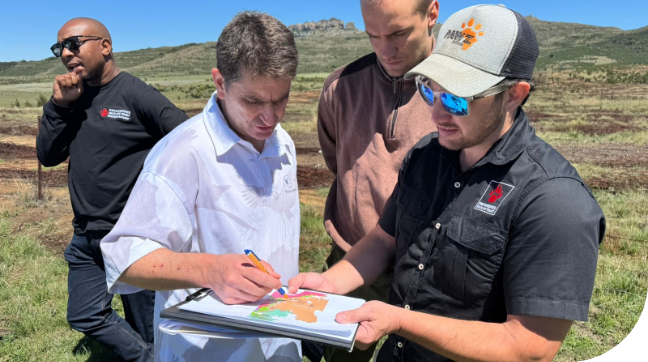
Science underpins every aspect of our work. We conduct BioBlitz surveys, support species research, identify Key Biodiversity Areas, and use evidence to guide conservation planning across the landscape. At the same time, we invest in local conservation leadership by supporting community conservationists, field monitors, and citizen scientists. We also explore innovative conservation finance, including carbon credit opportunities, to help secure long-term investment in.
Improving water security for communities
Conservation and community wellbeing are closely linked. In KwaMkhize, we worked with the local community to improve access to clean spring water for 2,445 people across 292 households. Projects like these demonstrate how investing in healthy ecosystems can improve quality of life while helping conserve the natural resources on which communities depend.