NIASSA-SELOUS

STRATEGIC CONSERVATION
LANDSCAPE

Protecting the future of the Niassa-Selous landscape

The EWT aims to establish a long-term conservation presence across the Niassa–Selous landscape by supporting local partners and advancing practical action for wildlife and people.

Securing a future for
the Niassa–Selous

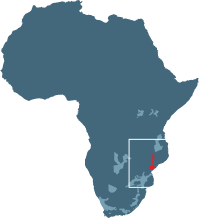
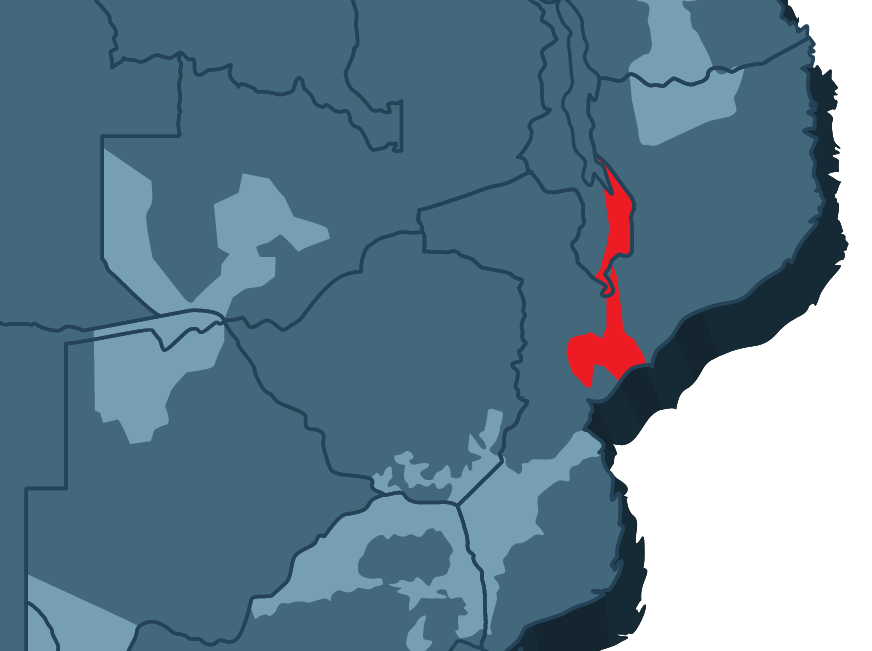
From the woodlands of northern Mozambique to the river systems and open grasslands of southern Tanzania, Niassa-Selous spans a vast transboundary landscape across East Africa

NIASSA-SELOUS

BUILDING
PARTNERSHIPS FOR
LONG-TERM
CONSERVATION

In Niassa Special Reserve, we are working with conservation partners to improve the detection of and response to wildlife poisoning and poaching. This includes strengthening local knowledge, technical capacity and tools and coordination so that threats can be identified earlier and addressed more effectively.

Stretching across northern Mozambique and southern Tanzania, the Niassa– Selous Transfrontier Conservation Area is one of Africa’s largest remaining wilderness landscapes. Its sweeping miombo woodlands, rivers, wetlands and protected areas sustain globally important wildlife populations while providing water, fertile soils and natural resources for the communities who depend on this landscape.

These vast and connected ecosystems provide refuge for threatened carnivores and birds of prey, reptiles, amphibians and countless other species. Many of these animals require extensive, intact habitats to survive, making the continued protection and connectivity of the landscape essential.

Healthy forests, wetlands and river systems also store carbon, strengthen resilience to climate change and sustain the ecological processes on which both people and wildlife rely.

NIASSA-SELOUS

WHY THE ZAMBEZI
DELTA–MALAWI
MATTERS

Where rivers, woodlands, wildlife and
communities shape one of Africa’s last
great wilderness landscapes

Stretching across northern Mozambique and southern Tanzania, the Niassa- Selous Transfrontier Conservation Area is one of Africa’s largest remaining wilderness landscapes. Its sweeping miombo woodlands, rivers, wetlands and protected areas sustain globally important wildlife populations while providing water, fertile soils and natural resources for the communities who depend on this landscape.

These vast and connected ecosystems provide refuge for threatened carnivores and birds of prey, reptiles, amphibians and countless other species. Many of these animals require extensive, intact habitats to survive, making the continued protection and connectivity of the landscape essential. Healthy forests, wetlands and river systems also store carbon, strengthen resilience to climate change and sustain the ecological processes on which both people and wildlife rely.

At the heart of the landscape lies the Ruvuma River Corridor, a vital ecological link between Mozambique and Tanzania. Protecting this corridor helps maintain wildlife movement, supports healthy and resilient populations, and safeguards one of Africa’s most important transboundary conservation landscapes for future generations.

Species we protect

Carnivores

Birds of
Prey

Threatened
Endemic Species

NIASSA-SELOUS

CONSERVATION
IN ACTION

Conservation in the Niassa-Selous is guided by science, shaped by partnership, and grounded in one of Africa’s most remarkable transboundary landscapes. As we expand our work in the region, we are working alongside conservation authorities, researchers, and local communities to better understand wildlife populations, reduce threats, and help ensure species can continue to move freely across a landscape defined by ecological processes rather than political boundaries.

Securing habitats and ecological
corridors

The future of the Niassa-Selous landscape depends on keeping its forests, rivers and wildlife corridors connected. We aim to work alongside governments, conservation organisations and communities to strengthen the protection and management of priority habitats, including the Ruvuma River Corridor and community conservation areas. By securing these vital landscapes, we can help preserve the ecological connections that allow wildlife to move, populations to remain resilient and natural systems to function across borders.

Building climate resilience
through nature

Healthy ecosystems are essential to helping people and wildlife adapt to a changing climate. We aim to support nature-based approaches that restore degraded habitats, protect rivers and wetlands, improve soil health and strengthen the management of wildfire. These actions can increase ecological resilience while safeguarding water resources, biodiversity and the natural systems that sustain local livelihoods.

Reducing threats to wildlife

Poaching, snaring, poisoning and illegal wildlife trade continue to threaten wildlife across the Niassa-Selous landscape. We aim to build on current work with local conservation partners to strengthen the prevention, detection and response to these threats through improved monitoring, rapid response to wildlife poisoning, technical support and collaboration with law-enforcement agencies. By strengthening local capacity and coordination, we aim to create safer conditions for elephants, African wild dogs, vultures and the landscape’s many other threatened species.

Guiding conservation through science

Effective conservation begins with a strong understanding of the landscape. We aim to support biodiversity surveys, wildlife monitoring, camera trapping, BioBlitz expeditions, environmental e-DNA sampling and other appropriate technologies to improve knowledge of species, habitats and ecological processes.

This evidence can help identify conservation priorities, guide management decisions and ensure that limited resources are directed to the places and threats where they can have the greatest impact.

Supporting locally led conservation

The long-term future of the Niassa-Selous landscape depends on the people who live within and alongside it. We aim to support local communities and organisations to strengthen conservation leadership, build technical capacity, reduce human-wildlife conflict and develop sustainable opportunities linked to conservation, responsible tourism and climate-smart land management. By respecting local knowledge and strengthening community stewardship, we seek to support conservation approaches that deliver enduring benefits for both people and nature.

NIASSA-SELOUS

OUR CONSERVATION
APPROACHES

Specialist expertise. Greater conservation impact.

Many of the conservation challenges facing the Niassa-Selous Landscape are shared across our eight strategic conservation landscapes.

Our Strategic Conservation Approaches bring together the expertise, innovation, partnerships, and tools needed to address these challenges at scale. By combining specialist knowledge with on-the-ground implementation, we apply these approaches across our Strategic Conservation Landscapes and in other priority areas where we can deliver strategic conservation outcomes.

Sustainable Finance

Securing the long-term investment and innovative financing needed to sustain conservation, ecosystem restoration and community stewardship.

Wildlife and Infrastructure

Reducing the impacts of infrastructure on wildlife and nature while promoting development that is better planned, more responsible and compatible with conservation.

Biodiversity and Business

Working with businesses to integrate nature into decision-making, reduce environmental impacts, and support more sustainable business practices.

People in Conservation

Supporting communities, farmers, landowners and local partners to strengthen stewardship, sustainable livelihoods and coexistence between people and wildlife.

Wildlife in Trade

Combating wildlife crime and illegal trade through research, intelligence, partnerships, policy engagement and support to law-enforcement agencies.

Conservation Tools and Technology

Using science, technology and innovation to detect threats, monitor wildlife, guide decisions and improve conservation responses across vast and complex landscapes.

NIASSA-SELOUS

GET INVOLVED

Support conservation
in Niassa-Selous

Your support helps us expand conservation efforts across the Niassa–Selous landscape, protecting wildlife, securing critical habitats, and strengthening the natural systems that sustain communities across northern Mozambique and southern Tanzania.

Partner with us

Protecting a landscape as vast and complex as Niassa–Selous depends on collaboration. We aim to work with governments, conservation organisations, researchers, local communities, businesses, and funders to strengthen conservation across this internationally important landscape. If you’d like to help shape the future of conservation in Niassa–Selous, we’d love to hear from you.

Stay connected

We’re expanding our work in the Niassa–Selous landscape and building new partnerships to protect its wildlife, forests, rivers, and communities. Follow our journey and discover the people, places, and conservation stories shaping the future of this remarkable landscape.