
PEOPLE IN
CONSERVATION
Conservation works when it works for people
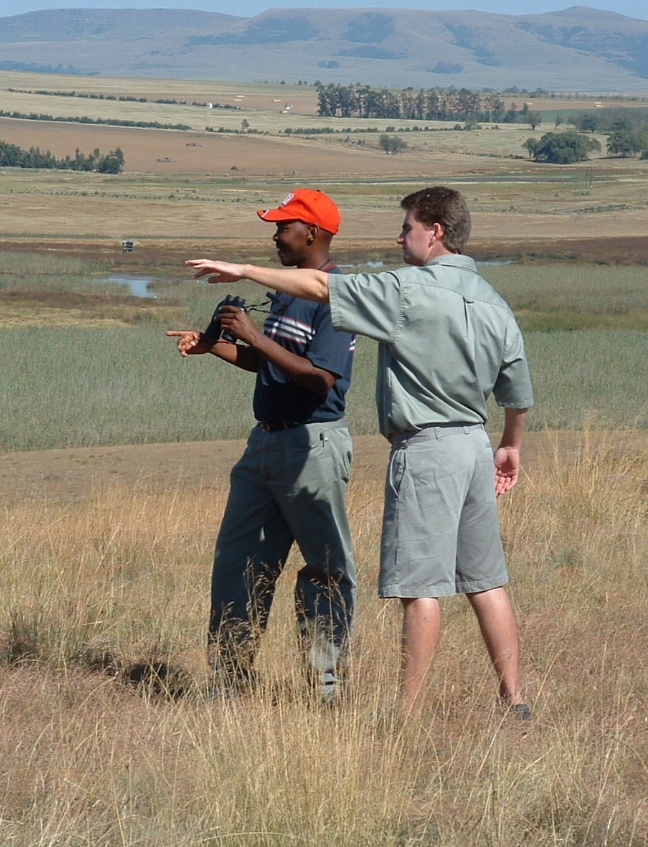
People are at the heart of conservation. Across Africa, we work alongside communities, farmers, traditional leaders, women, young people, and local partners to develop practical solutions that strengthen livelihoods, improve wellbeing, and protect the landscapes that both people and wildlife depend on.
PEOPLE IN CONSERVATION
THE IMPORTANCE OF
PEOPLE IN
CONSERVATION
Conservation succeeds
when people succeed
People and wildlife share the same landscapes, rely on the same natural resources, and increasingly face similar challenges. Climate change, habitat loss, human-wildlife conflict, poverty, and food insecurity affect both communities and biodiversity, making conservation as much about people as it is about protecting nature.
Healthy ecosystems support healthy communities, and resilient communities are better equipped to protect and restore the landscapes they depend on. That’s why we work alongside communities to strengthen livelihoods, improve wellbeing, build resilience, and create opportunities that make conservation both practical and sustainable.
Our People in Conservation approach recognises that lasting conservation is built with people, not around them. By bringing together communities, governments, businesses, researchers, and local partners, we develop integrated solutions that create lasting benefits for both people and nature.
PEOPLE IN CONSERVATION
THE CHALLENGES
WE ADDRESS
People living alongside wildlife
face interconnected environmental,
social, and economic challenges
Climate change
and declining agricultural productivity.
Poverty and
unemployment
resulting in limited livelihood opportunities.
Poor ecosystem
health
threatening both biodiversity and human wellbeing.
Habitat degradation
and pressure on natural resources.
Food and water
insecurity
increasing pressure on people and natural resources.
Human-wildlife
conflict
affecting people, livelihoods and wildlife.
Limited access to
education
limiting skills development and conservation opportunities.
PEOPLE IN CONSERVATION
HOW WE CREATE
CHANGE
We create sustainable livelihoods
We create sustainable livelihood opportunities that give communities a direct economic stake in conservation. From beekeeping and climate-smart agriculture to ecotourism and ranger training, we create opportunities that strengthen local economies, reduce pressure on natural resources, and make conservation a sustainable source of income.

We strengthen communities
Healthy people and healthy ecosystems depend on one another. By integrating conservation with agriculture, health, education, and natural resource management, we help communities adapt to climate change while improving food security, wellbeing, and environmental resilience.

We empower future
conservation leaders
The people who live alongside wildlife are the long-term custodians of these landscapes. We invest in youth development, environmental education, community partnerships, and skills training that empower local people to become conservation leaders within their own communities.

We create solutions where
people and wildlife coexist
The most effective conservation solutions are built together. We work alongside communities, traditional leaders, government, universities, businesses, healthcare providers, and conservation partners to develop locally led solutions that benefit both people and biodiversity.

PEOPLE IN CONSERVATION
PEOPLE MAKING
CONSERVATION
POSSIBLE
Integrating conservation and health
action pays dividends for women in
Uganda
Working through our long-standing partnership with the International Crane Foundation, and alongside the Margaret Pyke Trust, Rugarama Hospital, the London School of Hygiene & Tropical Medicine, and other local partners, we developed an innovative programme in Uganda’s Rukiga District that integrates conservation, healthcare, and sustainable livelihoods into a single, coordinated approach benefiting more than 50,000 people.
Rather than delivering these initiatives as separate projects, they were designed to work together. This integrated approach has strengthened conservation outcomes while improving access to healthcare and supporting healthier, more resilient communities. Women participating in the programme were 25% more likely to choose a long-acting, reversible contraceptive, and more women accessed sexual and reproductive healthcare services, including specialist screening and follow-up care that had not previously been available in the area.
One of the programme’s most significant outcomes was also one of its most unexpected. Independent analysis found that women participating in the project were better protected from gender-based violence, a serious issue affecting one in three women in Rukiga. The project demonstrates that integrating conservation, healthcare, and sustainable livelihoods can create benefits far beyond biodiversity, improving health, empowering women, and building healthier, more resilient communities.
Conservation, cricket and youth
development
At Medike Nature Reserve in the western Soutpansberg, we partnered with Cricket South Africa (CSA) and the National Youth Development Agency (NYDA) to create an innovative youth development programme that combines sport, conservation, skills development, and ecotourism. The initiative supports 75 unemployed young people from the neighbouring villages of Midoroni, Maebani, and Tshikhwarani, creating opportunities where unemployment and limited economic prospects have long been a challenge.
Supported by Cricket South Africa, the programme equips participants with practical skills in umpiring, administration, computer literacy, event management, electronic reporting, first aid, and other transferable workplace skills. They also gain first-hand exposure to biodiversity conservation and ecotourism at Medike Nature Reserve, building an appreciation for the unique landscapes and wildlife that surround their communities.
The programme has attracted strong support from local government and traditional leaders and is creating new pathways into employment, tourism, and conservation. It demonstrates how partnerships can empower young people with the skills, confidence, and opportunities to build brighter futures while becoming champions for the landscapes they call home.
Towards harmonising agriculture and
land management with nature and
adapting to climate change in the
western Soutpansberg
Communities living in the Western Soutpansberg have depended on agriculture for generations. Today, climate change, increasing pressure on natural resources, and human-wildlife conflict are testing that balance. In 2025, over 60 community members attended training courses we hosted through the National Lotteries Commission on fire suppression, brush cutting, herbicide application, occupational health and safety, environmental legislation, amongst others to support sustainable land and natural resource management in this highly biodiverse area. In addition to improving land management on their own properties, the training strengthened participants’ employment prospects. At least eight obtained work related to the skills developed through the training, and many others reported improved CVs and greater job readiness. By promoting more sustainable vegetable cultivation, we are supporting improved nutrition, strengthening climate resilience, and creating livelihood opportunities for local communities. With support from Go To Africa, 52 people completed a five-day training course on conservation agriculture with 41 successfully producing their first crops in 2025. A few farmers have already generated income by selling surplus produce, while several are planning to expand commercial production.
Described by participants as “inspiring”, “transformative”, and “life changing”, the initiative laid the foundation for continued collaboration, demonstrating that the most effective conservation solutions are built by learning with communities.
PEOPLE IN CONSERVATION
WHERE WE WORK
Across our strategic conservation
landscapes, we work with
communities in some of Africa’s
most important biodiversity hotspots
Developing locally led solutions that strengthen livelihoods, build resilience, and protect wildlife, because every landscape is different, every solution is shaped by the people who know it best. That’s why community partnerships sit at the heart of our conservation approach.
PEOPLE IN CONSERVATION
GET INVOLVED
Together, we can secure a future for species found nowhere else on Earth. Whether you choose to donate, partner with us, or follow our work, you’ll be helping conserve southern Africa’s unique biodiversity.