
CONSERVATION
TOOLS &
TECHNOLOGY
Innovation that strengthens conservation on the ground
We combine science, technology, and innovation to solve some of conservation’s most complex challenges. From environmental DNA and specialist detection dogs to drones and intensive biodiversity surveys, we equip our teams with the tools they need to protect wildlife more effectively across Africa.
CONSERVATION TOOLS & TECHNOLOGY
WHY CONSERVATION
TOOLS & TECHNOLOGY
MATTER
Conservation is becoming
increasingly complex
Wildlife crime is more sophisticated than ever, rare species hide in places that are difficult to reach, and the landscapes we work across are vast, remote, and constantly changing. Traditional field methods remain essential, but they cannot always provide the speed, precision, or scale needed to respond effectively.
Innovation is changing what is possible. By combining cutting-edge technology with scientific expertise and practical field experience, we can detect threatened species without disturbing them, uncover illegal wildlife products before they leave the country, survey inaccessible landscapes from the air, and gather the evidence needed to make better conservation decisions. These tools strengthen every aspect of our work across Africa.
CONSERVATION TOOLS & TECHNOLOGY
THE CHALLENGES
WE ADDRESS
We use technology and innovation to
help address some of conservation’s
most complex challenges, including:
Detect
rare and elusive wildlife.
Combat
increasingly sophisticated wildlife crime.
Monitor
wildlife across vast and inaccessible landscapes.
Improve
biodiversity data for conservation planning.
Support
evidence-based environmental impact assessments.
Reduce
risks to conservation teams.
Scale
conservation monitoring across Africa.
CONSERVATION TOOLS & TECHNOLOGY
INNOVATION IN ACTION
Environmental DNA (eDNA)
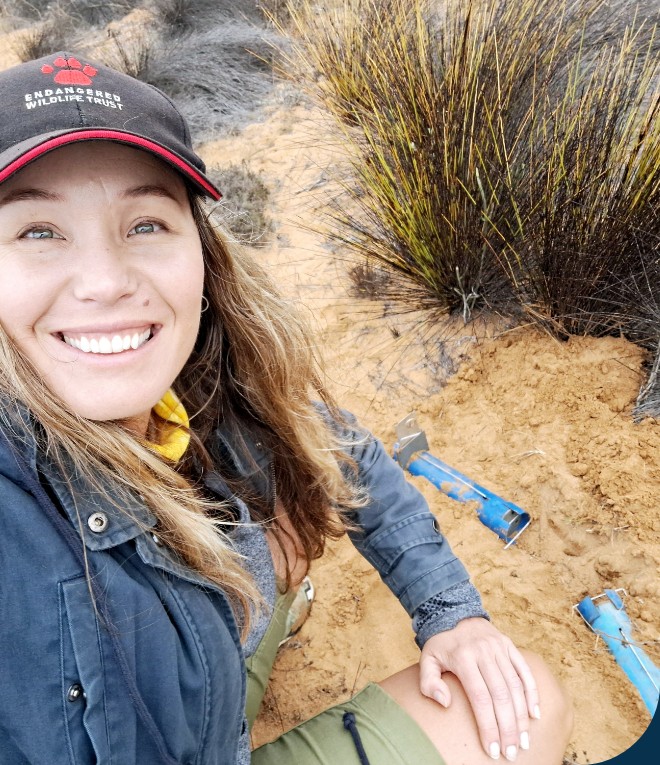
Sometimes the biggest discoveries come from the smallest traces. Environmental DNA (eDNA) allows us to detect wildlife from tiny traces of genetic material left behind in water, soil, and sediment, without disturbing or even needing to see the animals themselves. It helps us locate rare and elusive species, monitor biodiversity, assess ecosystem health, and generate the evidence needed to guide conservation planning.
Using eDNA, we confirmed the rediscovery of De Winton’s Golden Mole, a species last recorded in 1937 and feared lost for more than 80 years. By analysing genetic traces detected in the sand, our team could verify the presence of this elusive underground mammal without disturbing its fragile coastal habitat. Through our partnership with Stellenbosch University, we continue to develop and apply innovative conservation genetics to strengthen biodiversity monitoring and species conservation across Africa.
Bioblitzes
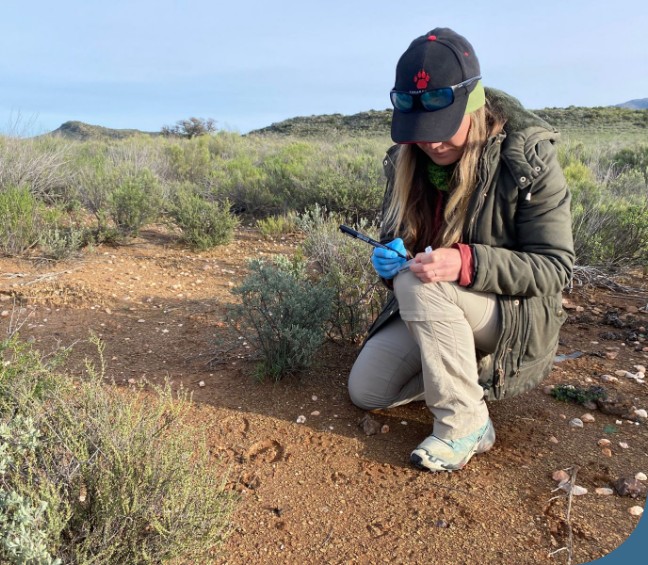
Understanding biodiversity starts with knowing what species occur in a landscape. Our Biodiversity Expeditions and BioBlitzes are intensive, time-bound surveys that bring together experienced field teams and specialist researchers to document as many species as possible within a defined area. They provide a rapid snapshot of biodiversity, helping us understand what is present, what is missing, and where conservation action is needed most.
To build the most complete picture possible, we combine traditional field surveys with innovative technologies such as environmental DNA (eDNA), drones, camera traps, and acoustic monitoring. While our field teams record the species they can see and identify, eDNA helps detect those that are rare, cryptic, nocturnal, or otherwise difficult to find. Together, these approaches provide a far more comprehensive understanding of biodiversity than either could achieve alone.
The information gathered through our Biodiversity Expeditions helps establish biodiversity baselines, discover species new to science or new to a region, identify priority areas for conservation, and provide the evidence needed to guide protected area expansion, environmental impact assessments, and long-term conservation planning.
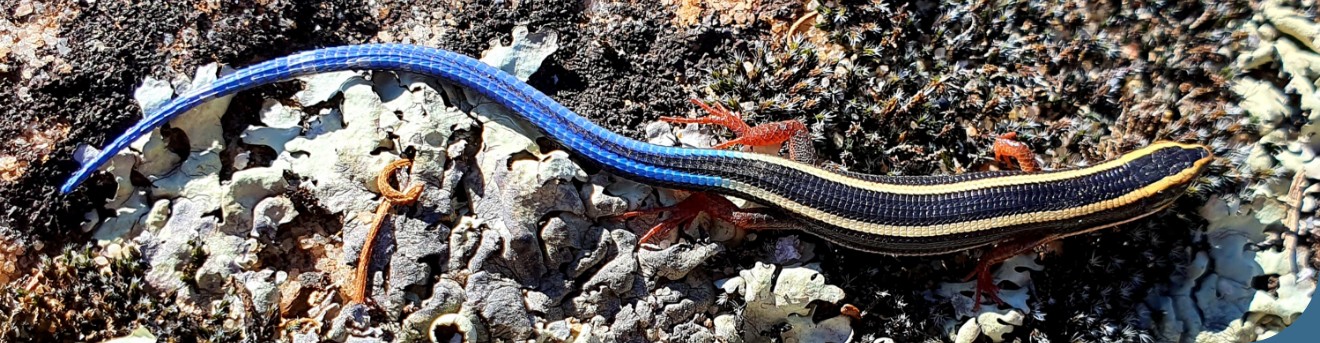
Over the course of 5 expeditions spanning 92 days through Limpopo, Banhine, and Zinave National Parks in Mozambique, we worked alongside the Peace Parks Foundation, Administração Nacional das Áreas de Conservação, and the Maputo Natural History Museum to document 43,418 species occurrences representing 2,035 species. The expeditions recorded the first occurrences of several plant, reptile and insect species in Mozambique, identified several species new to science, and generated valuable baseline biodiversity data that will help guide future conservation planning, protected area management, and species conservation across these under-surveyed landscapes.
Conservation K9 Unit
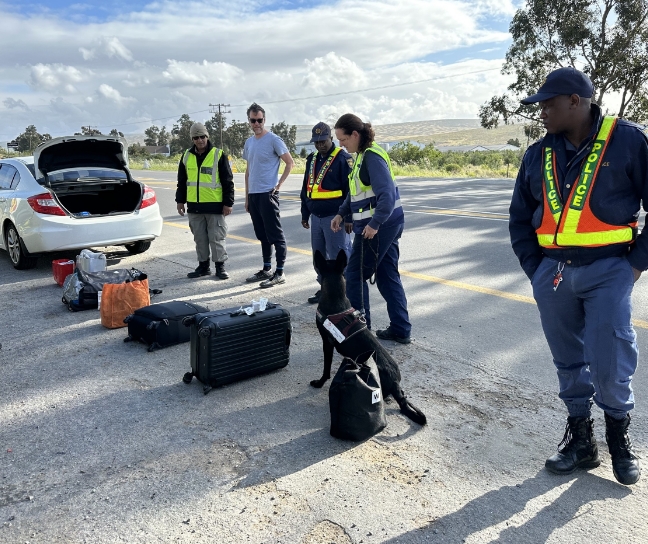
Our K9 unit harness the extraordinary abilities of specially trained working dogs to protect wildlife, support conservation science, reduce human-wildlife conflict, and strengthen environmental law enforcement.
Across three specialist projects, our dogs are helping tackle some of conservation’s most complex challenges.
Combat wildlife crime
Our Conservation K9 Unit deploys specialist detection and anti-poaching dogs that detect rhino horn, ivory, pangolin scales, Armadillo Girdled lizards, firearms, ammunition, and illegally harvested plants. Working alongside law enforcement and airport authorities, they support operations at airports, roadblocks, postal hubs, and protected areas, helping intercept illegal wildlife products before they leave the country.
Support conservation science
Our conservation detection dogs help researchers locate rare and elusive species that are often difficult to find using traditional survey methods. From moles and amphibians to reptiles and succulents, these dogs improve biodiversity surveys, support species rediscoveries, and generate the information needed to guide conservation planning.
Enable human-wildlife co-existence
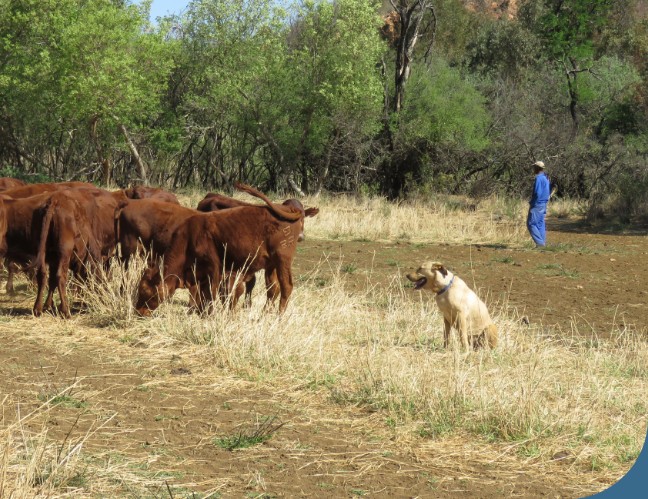
Since 2008, our Livestock Guardian Dog Project has placed 238 Anatolian Shepherd Dogs with more than 200 farmers across South Africa. Today, 113 dogs actively protect livestock, reducing predation losses from an average of 6.7 animals per year to almost zero on participating farms. By preventing livestock losses, we help farmers protect their livelihoods while reducing the persecution of predators.
Together, our conservation dogs are protecting wildlife, strengthening conservation science, combating wildlife crime, and helping people and predators coexist across southern Africa.
Want to meet the dogs behind the work?
Drone Unit
A new perspective for conservation.
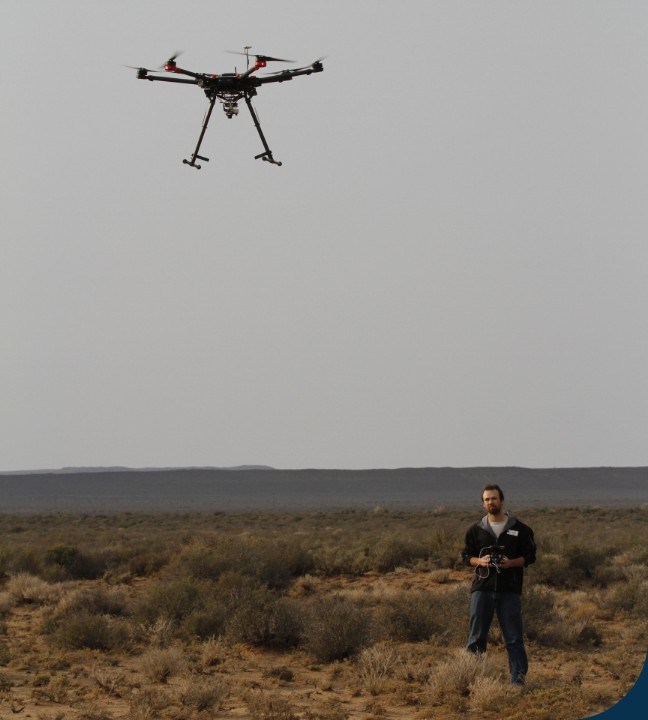
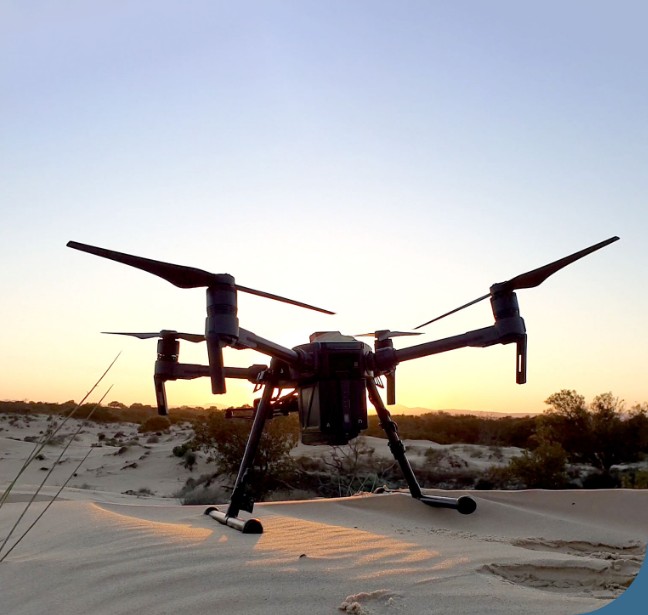
Our certified Drone Unit gives us access to landscapes, species, and conservation challenges that are difficult, dangerous, or impossible to reach on foot. As one of the few conservation organisations in South Africa licensed to operate drones within national parks and other sensitive environments, we use aerial technology to strengthen wildlife monitoring, habitat management, anti-poaching operations, and infrastructure protection.
One of our most significant innovations has been developing a drone-based system that installs bird flight diverters and Overhead Warning Lights directly onto live powerlines. This safer, more cost-effective approach is helping reduce collisions involving cranes, vultures, flamingos, eagles, and other large birds while allowing more high-risk powerlines to be protected.
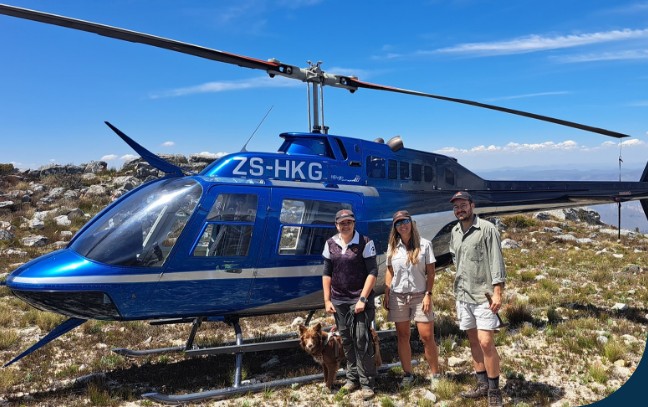
Our drones also support wildlife surveys, marine research, anti-poaching operations, and ecological monitoring, providing conservation teams with real-time information across some of Africa’s most challenging landscapes.
We continue to push the boundaries of aerial conservation by developing next-generation drone technology capable of supporting longer-range missions across remote conservation landscapes.
CONSERVATION TOOLS & TECHNOLOGY
WHERE WE WORK
We use specialist tools and
technology to inform and strengthen
our work across our Strategic
Conservation Landscapes and in other
areas where we can deliver
meaningful conservation impact
We support species conservation, wildlife crime investigations, ecological monitoring, habitat restoration, and infrastructure management wherever specialist technology can improve conservation outcomes.
Through partnerships with universities, government agencies, airports, protected areas, utilities, research institutions, and conservation organisations, we also apply these tools beyond our priority landscapes, ensuring that innovation delivers conservation impact wherever it is needed most.
CONSERVATION TOOLS & TECHNOLOGY
GET INVOLVED
Innovation is transforming what is
possible in conservation
Whether you are a donor, technology partner, researcher, conservation practitioner, or law enforcement agency, you can help us develop and deploy the tools that protect wildlife, strengthen science, and improve conservation outcomes across Africa.